
Why Full Mouth Dental Implants Are Changing the Way People Think About Tooth Loss
Losing multiple teeth or living with a failing dentition affects far more than appearance. It changes how people eat, how they speak, how they carry themselves in social situations, and ultimately how they feel about themselves on a daily basis. For patients who have reached the point where traditional solutions no longer serve them well, full mouth dental implants represent a genuinely transformative alternative that addresses the problem at its foundation rather than managing it at the surface.
A Permanent Solution Deserves a Qualified and Experienced Team
Full mouth implant treatment is among the most technically demanding procedures in modern dentistry. Patients exploring full mouth dental implants near me Pittsburgh PA understand that the outcome of a treatment this significant depends enormously on the skill, experience, and comprehensive planning capability of the team they choose to trust with their care.
Full Mouth Implants Restore Function That Dentures Cannot Match
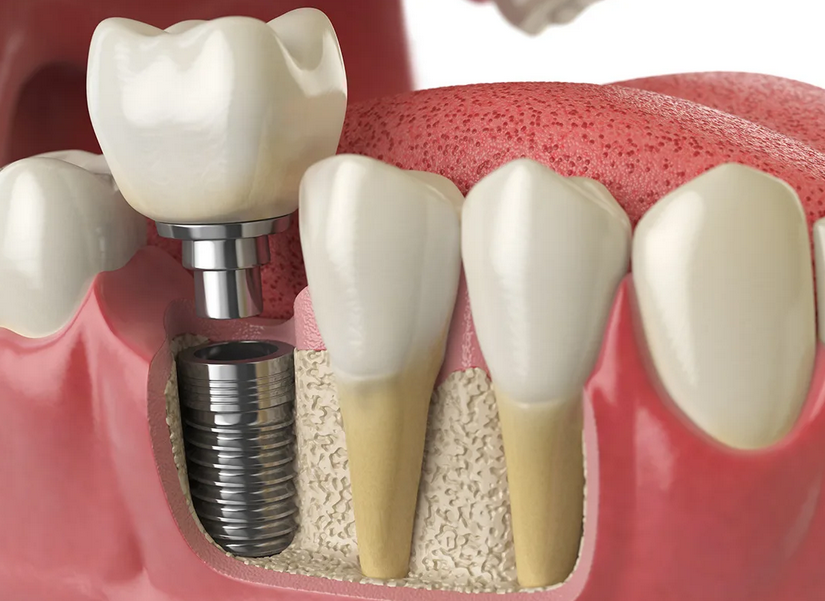
To begin with, the functional difference between full mouth dental implants and conventional removable dentures is substantial enough that patients who have experienced both consistently describe the comparison as dramatic. Implant supported restorations are anchored directly into the jawbone, which means they do not shift, slip, or require adhesive to remain stable during eating and speaking.
Bone Preservation Is a Medical Benefit That Extends Beyond Aesthetics
Furthermore, one of the most significant advantages of implant-based tooth replacement that patients do not always consider initially is the profound impact implants have on preserving the jawbone beneath them. Natural tooth roots stimulate the surrounding bone through the forces of biting and chewing, and that stimulation is what keeps the bone healthy and maintains facial structure over time.
The Treatment Planning Process Determines Long Term Success
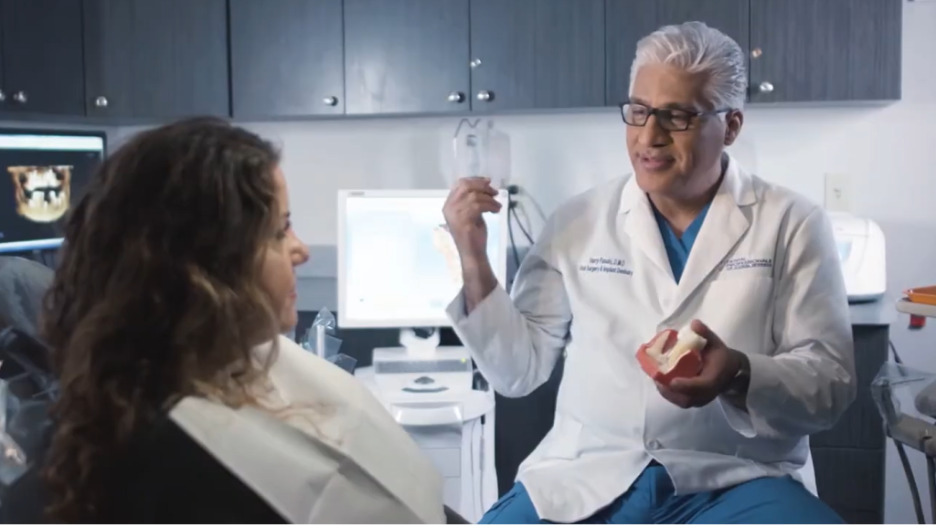
Another dimension of full mouth implant treatment that deserves serious attention is the depth and thoroughness of the planning process that precedes any surgical procedure. Comprehensive imaging, including three-dimensional cone beam scans, allows the treatment team to evaluate bone volume and density, identify anatomical structures that influence implant placement, and design a restoration plan that accounts for both functional and aesthetic goals before a single implant is placed.
Choosing the Right Provider Is the Most Important Decision in the Process
Finally, full mouth implant treatment represents a significant financial and personal investment that deserves to be placed with a provider whose qualifications, experience, and patient care philosophy inspire genuine confidence. Relevant credentials, a substantial volume of completed full arch cases, clearly presented treatment options, transparent fee structures, and a practice culture that prioritizes patient comfort and communication throughout a multi-stage treatment process are all qualities worth evaluating carefully before committing to a provider.
Conclusion: A Permanent Solution Deserves a Qualified and Experienced Team
To wrap it all up, full mouth dental implants offer a level of functional restoration, bone preservation, and long-term quality of life improvement that places them in a category well above conventional tooth replacement alternatives. The treatment planning process, surgical execution, and provider selection all play critical roles in determining whether the outcome matches the significant promise this technology holds. Take the time to find a team whose experience and standards match the importance of the decision, and approach your treatment with the confidence that a genuinely life changing result is within reach.
Recent Comments