
What Every Homeowner Should Know About Electrical Safety Before Starting a Renovation
Home renovations are exciting until they are not. The moment a contractor opens a wall and discovers wiring that was not on anyone’s radar, or a homeowner decides to handle something themselves that turns out to be far more involved than expected, a project that felt manageable suddenly carries consequences that go well beyond the original scope and budget.
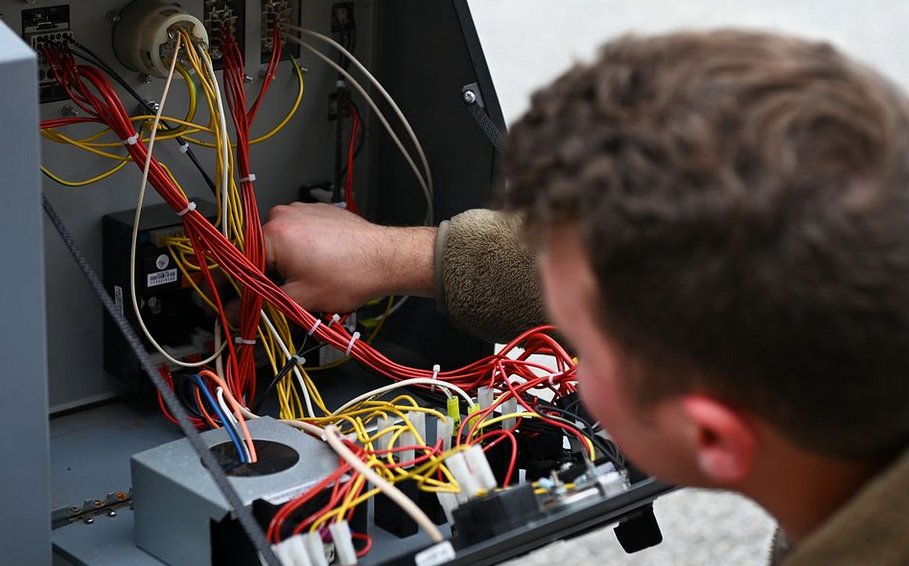
Renovations and Electrical Systems Intersect More Than Most People Expect
Almost every significant home renovation touches the electrical system in some way, whether that is the intended focus of the project or not. Moving walls, adding bathrooms, upgrading kitchens, and finishing basements all create electrical decisions that deserve as much attention as the aesthetic choices driving the project. For homeowners planning a renovation of any scale, Charleston electrician professionals provide the expertise to ensure those decisions are made correctly from the start.
Opening Walls Often Reveals What Previous Work Left Behind
One of the most common and least welcome surprises in home renovation is discovering the electrical work done by previous owners or contractors who prioritized speed and cost over quality and code compliance. Improper splices tucked inside walls without junction boxes, undersized wiring feeding circuits that have since been expanded, and amateur modifications that bypass safety devices are far more common than most homeowners expect to find.
Permit Requirements Exist to Protect You, Not Complicate Your Project
Many homeowners are tempted to skip the permit process for electrical work during a renovation, viewing it as an unnecessary delay and added expense. The protection that permits and inspections provide, however, is genuinely valuable. Permitted electrical work is inspected by qualified professionals who verify it meets current safety standards, creating documentation that protects you legally, satisfies insurance requirements, and eliminates complications when the property is eventually sold.
Kitchen and Bathroom Renovations Carry Specific Electrical Requirements
The two rooms most commonly targeted for renovation also carry the most specific and demanding electrical code requirements. Kitchens require dedicated circuits for major appliances, a minimum number of outlets along countertop surfaces, and GFCI protection throughout. Bathrooms require GFCI protected outlets, proper ventilation fan wiring, and appropriate fixture ratings for the moisture environment.
Adding Square Footage Means Adding Electrical Capacity
Finishing a basement, converting an attic, or adding a room to a home increases the electrical demand on a system that was originally sized for a smaller space. Simply running a few outlets off an existing circuit is rarely the right answer and often creates overloading conditions that develop into problems over time. A qualified electrician assesses the existing panel capacity, determines whether a subpanel or service upgrade is warranted, and designs the electrical layout for the new space to meet both current code requirements and the realistic demands of how the space will actually be used.
Conclusion: Renovations and Electrical Systems Intersect More Than Most People Expect
To bring everything together, electrical safety during a home renovation is not a secondary consideration to be addressed after the design decisions are made. It is a foundational part of the project that shapes what is possible, what is safe, and what will hold up under inspection and daily use for years to come. Partnering with a licensed electrician before renovation work begins rather than after surprises emerge is the approach that keeps projects on track, on budget, and built to a standard worth being proud of.

Recent Comments